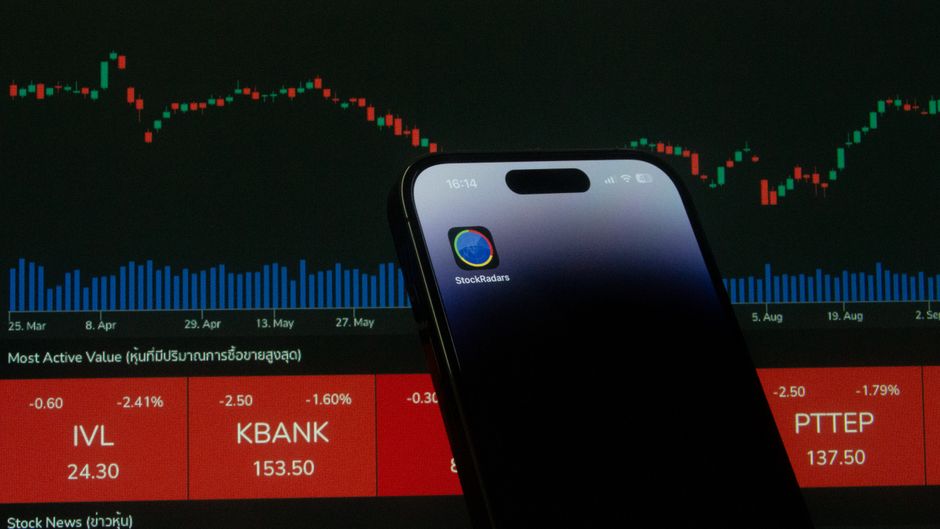
Copy trading is a way to automatically mirror another trader’s positions in your own account, so when they buy, you buy, and when they sell, you sell, sized to your balance. It is worth it only if you treat it as a hands-off way to follow a genuinely skilled trader while you learn, not as a magic money button. The honest version: it can save you time, and it can lose your money just as fast as trading yourself if you pick the wrong person to copy.
The short answer: Copy trading automatically replicates a chosen trader’s trades in real time, in proportion to what you allocate. It is worth it for beginners who want market exposure without staring at charts all day, as long as you vet the trader hard, start small, and accept that copying a loser just makes you lose faster.
Updated July 2026.
Some links here are affiliate links. If you sign up through them we may earn a commission at no extra cost to you. We only recommend tools we actually use.
What is copy trading
Copy trading is a feature where your account automatically copies the trades of another trader, called the lead trader or signal provider, in real time and in proportion to the money you allocate. If they open a $1,000 position and you allocated $200, your account opens a $200 version of the same trade. You do not pick the trades, you pick the person.
It exists on crypto exchanges like Bybit and Bitget, and on forex and CFD brokers. You browse a leaderboard of traders, see their history, allocate an amount, and the platform mirrors everything they do until you stop. Think of it as autopilot, where you still chose the pilot and you can still grab the controls.
How does copy trading work
Copy trading works in four steps: you choose a platform, browse its list of lead traders, allocate funds to one or more of them, and the system then mirrors their every entry and exit in your account automatically. You keep custody of your money, you can stop copying at any time, and the lead trader usually earns a cut of the profit or a share of the fees.
- Pick a platform with a public, verifiable track record for each trader.
- Vet the trader using their real stats, not their profit screenshot.
- Allocate an amount you can afford to lose, and set a stop-copy loss limit if the platform allows it.
- Monitor and adjust. Copy trading is hands-off, not brain-off. Check in weekly.
How much does copy trading cost
Copy trading is usually free to start, but you pay in one of three ways: a share of your profit to the lead trader (often 10% to 20%), the normal trading spreads and fees on every copied trade, or a flat platform fee. On most crypto copy-trading platforms the main cost is a profit-share to the trader plus standard trading fees.
| Cost type | Typical range | Who charges it |
|---|---|---|
| Profit share | 10% to 20% of your profit | The lead trader you copy |
| Trading fees / spreads | About 0.1% per trade (crypto spot) | The exchange or broker |
| Platform / subscription fee | $0 on most crypto platforms | Some forex or social platforms |
None of that matters if the trader loses, because a percentage of nothing is nothing. Costs are the second question. Whether the trader is actually any good is the first.
Is copy trading worth it
Copy trading is worth it if you want market exposure without learning charts first, and you are disciplined about who you copy and how much you risk. It is not worth it if you expect guaranteed income or copy the trader with the flashiest recent month. The uncomfortable number: 61% of retail investor accounts lose money trading CFDs with eToro, per the platform’s own risk disclosure, and copy traders are not magically exempt.
The value is real but narrow. You save the months it takes to learn analysis, and you can follow someone with an actual edge. The catch is that most flashy leaderboard traders are one lucky, high-leverage streak away from a blowup, and when they blow up, so do their copiers. Copy trading does not remove risk, it outsources the decisions and keeps the risk.
| Approach | Effort | Main risk | Best for |
|---|---|---|---|
| Copy trading | Low, weekly check-ins | Copying a reckless trader | Beginners short on time |
| Trading yourself | High, daily screen time | Your own mistakes | People who want the skill |
| Buy and hold | Very low | Long drawdowns | Patient long-term investors |
How to choose a trader to copy
Choose a lead trader by their risk and consistency, not their biggest month. Look for a long track record, small drawdowns, steady returns, and sensible leverage. A trader who made 300% in one month almost certainly used huge leverage, which means they can lose 300% just as fast. Boring and consistent beats explosive and fragile every time.
| What to check | Green flag | Red flag |
|---|---|---|
| Track record length | 12 months or more | A few hot weeks |
| Maximum drawdown | Under 20% to 30% | 50% or unknown |
| Leverage used | Low and steady | Very high, all-in bets |
| Return pattern | Steady, believable | One giant spike |
| Number of copiers / AUM | Established following | Brand new, no history |
Copy two to four traders, not one, so a single blowup does not take your whole balance. Diversifying who you copy is the closest thing to a free lunch here, and even that is only a snack.
Where to copy trade and how to start
To start copy trading, open an account on a platform with transparent trader stats, verify it, fund a small amount, pick two to four vetted traders, and allocate a slice to each. For crypto, the strongest built-in copy-trading markets are on Bybit and Bitget, with BingX as a solid third option.
| Platform | Best for | Copy-trading note |
|---|---|---|
| Bybit | Crypto, deep markets | Large trader pool, clear stats |
| Bitget | Crypto copy trading | One of the earliest, big following |
| BingX | Crypto + social features | Strong social copy tools |
Want to try copy trading with vetted setups? Start on Bybit and copy small first.
Prefer to learn as you copy, with real entries explained instead of a silent leaderboard? Join the free Telegram community where we post and explain setups, so you understand the trade, not just mirror it.
Is copy trading safe and legal
Copy trading is legal in most countries and is offered by regulated brokers and exchanges, but it is not safe in the sense of being low-risk. You are still exposed to the market and to the lead trader’s decisions. The platform can be reputable and you can still lose money, because a regulated venue does not make a risky trader a safe one.
Two real dangers to watch. First, fake gurus who run a copy account funded by your money while they collect the profit-share and risk nothing of their own. Second, offshore platforms with no verifiable track record. If a trader’s history is not public and auditable, that is not copy trading, that is faith. Before you fund anything promising fixed daily returns, read our guide on how to spot a Ponzi scheme, because copy trading is a favourite disguise for them.
When copy trading is not for you
Copy trading is not for you if you expect guaranteed returns, if you would panic and stop copying at the first losing week, or if you want to actually learn to trade rather than outsource it. It is also not for you if you are tempted to copy the number-one trader on a leaderboard purely because they are number one this month. That is not a strategy, that is chasing.
If your goal is the skill itself, trade a small account yourself and learn one strategy properly. Our beginner guides on crypto trading and picking the right venue in best crypto exchanges for beginners are a better use of your time than any leaderboard.
Frequently asked questions
Is copy trading profitable?
Copy trading can be profitable, but it is not profitable on average for most beginners, because the majority of retail traders lose money and copying does not change that math. It becomes realistically profitable only when you copy genuinely skilled, low-risk traders and manage your allocation. Treat early results as a test, not a salary.
How much money do I need to start copy trading?
You can start copy trading with as little as $50 to $100 on most crypto platforms. Start small while you test how a trader behaves through both winning and losing weeks. Only add more once you have watched them handle a drawdown without blowing up.
Is copy trading a scam?
Copy trading itself is a legitimate, widely offered feature, not a scam. The scams are the people who abuse it: fake gurus with unverifiable results, or schemes promising fixed daily returns dressed up as copy trading. If the track record is not public and auditable, walk away.
Can you lose money in copy trading?
Yes, absolutely. You are exposed to real market risk and to the lead trader’s mistakes, and you can lose your entire allocation if they trade recklessly. Copying a losing trader simply makes you lose in sync with them. Never copy with money you cannot afford to lose.
Is copy trading good for beginners?
Copy trading can suit beginners who lack the time to learn charts, as long as they vet traders carefully and start small. It is a way to get market exposure while you learn on the side. It is a poor fit if you treat it as passive income you never have to check.
How do I choose the best trader to copy?
Choose based on a long track record, low maximum drawdown, sensible leverage, and steady rather than spiky returns. Avoid whoever posted the biggest single month, since that usually means high leverage and high blowup risk. Spread your money across two to four traders to reduce single-trader risk.
Is copy trading legal?
Copy trading is legal in most countries and is offered by regulated brokers and exchanges. Rules vary by country, especially around leverage and CFDs, so check your local regulator. Being legal does not make it low-risk, and being on a regulated platform does not make a reckless trader safe to copy.
Two more resources before you go. To pick where to actually do this, compare venues in Bybit vs Bitget vs WEEX, and to understand the whole toolkit visit the crypto and forex trading hub. If you would rather get funded and trade someone else’s capital instead of copying, read prop firm trading explained for beginners.
If you read this far, you already do more homework than the person about to copy whoever is top of the leaderboard today. Vet the trader, copy small, keep checking in, and let boring consistency do the work.