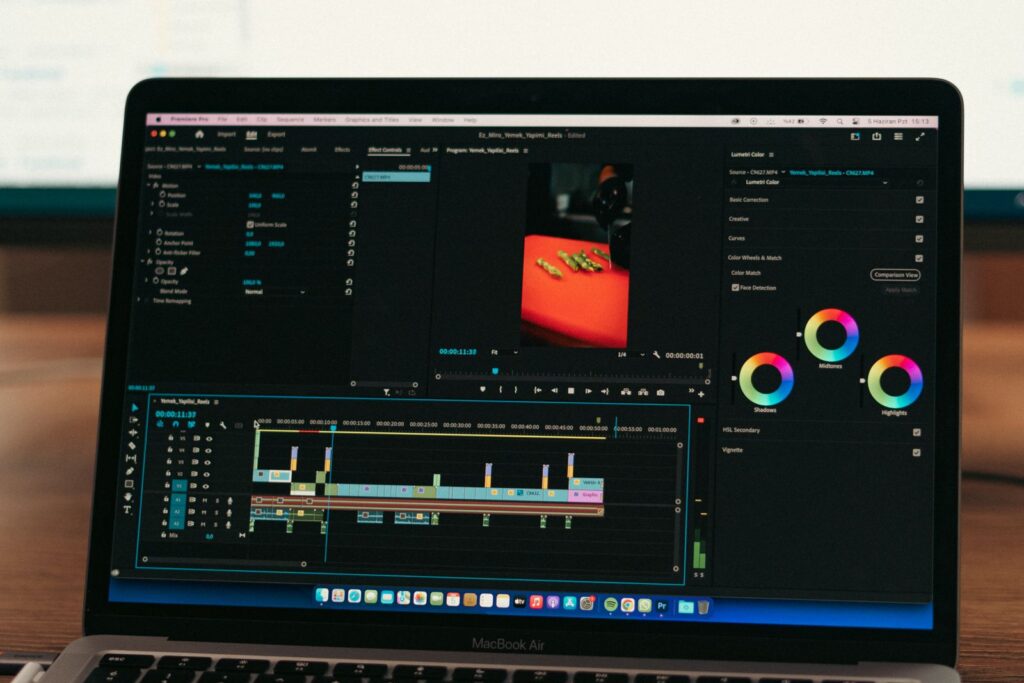
YouTube automation means running a channel without appearing on camera, where the writing, voiceover and editing are handled by freelancers, AI tools, or both, while you pick the niche and run the business. It is a real business model. It is also the single most oversold idea on the internet right now, and the honest version of the numbers looks nothing like the thumbnails promising $50,000 a month.
The short answer: YouTube automation is running faceless channels using outsourced or AI-assisted production. Startup costs run from $0 using free AI tools to around $5,000 for a first year with freelancers. There is no reliable average income. Most channels earn close to nothing for months, and high-RPM niches like finance pay roughly $6 to $13 per thousand views.
Updated October 2026. Some links here are affiliate links. If you sign up through them we may earn a commission at no extra cost to you. We only recommend tools we actually use.
What YouTube automation actually is
The name is misleading. Nothing runs itself. What is automated is your involvement in production, not the channel. You still choose the niche, approve the scripts, judge the thumbnails and decide what gets published. You have moved from maker to editor-in-chief, which is a real job.
Three stages, and most people never leave the first:
- Stage one, you do everything with AI tools helping. Cheapest, slowest, and where you learn what good looks like
- Stage two, you outsource pieces. Script to a writer, edit to an editor, you keep strategy and quality control
- Stage three, you run a team across several channels. This is an operating business with payroll, not a side hustle
You cannot skip to stage three. If you cannot tell a good script from a bad one, you cannot hire a writer, because you will have no way of knowing what you just paid for.
The earnings question, answered honestly
Here is the sentence every other guide avoids, and it comes from vidIQ’s own guide to the model: there is no reliable average income for automation channels, and anyone quoting one is guessing.
That is the truth, and it is why the $5,000 to $50,000 a month figures you see everywhere are survivor numbers. They come from established channels in high-paying niches, quoted by people selling courses about how to get there.
The useful counter-example in the same guide: WatchMojo built 25 million subscribers and was reportedly not financially successful in its first six years. Twenty five million. Six years.
| Stage | Realistic monthly | What is happening |
|---|---|---|
| Months 1 to 3 | $0 | Not monetized yet, building a back catalogue |
| Months 4 to 12 | $0 to $500 | Monetization threshold hit if you are lucky, early revenue |
| Year 2, working channel | $500 to $3,000 | Consistent uploads, a niche that pays |
| Scaled operation | $5,000+ | Multiple channels, a team, high-RPM niche. Outliers |
| Median new channel | Close to $0 | The most common outcome by a distance |
Your niche decides more than your effort does. Finance and tech RPMs are commonly cited around $6 to $13 per thousand monetized views. Entertainment is a fraction of that. Shorts pay far less per view, though they grow subscribers faster. A million views in the wrong niche can pay less than a hundred thousand in the right one.
The deadline nobody is talking about
This is the most actionable thing on this page, so do not skim it. YouTube’s monetization thresholds are changing.
| Through 31 January 2027 | From 1 February 2027 | |
|---|---|---|
| Subscribers | 1,000 | 1,000 |
| Watch hours | 4,000 | 8,000 |
| Or Shorts views | 10 million | 20 million |
| Review time | About a month | About a month |
The bar doubles. If you are starting now, you have a window of a few months to cross the current threshold before it moves, and review takes roughly a month on top. That changes the maths on whether to start this week or “sometime next year” more than any tool choice will.
Check the current figures on YouTube’s own help pages before you plan around them, because thresholds and dates do move.
What it costs to start
Two honest paths, and they are very different businesses.
| Item | DIY with AI | Outsourced |
|---|---|---|
| Script (1,500 to 1,800 words) | $0 to $20/mo tool | $300+ |
| Voiceover | $1 to $2 per video | $500 to $750 |
| Editing (5 to 10 min) | Your time | $150 to $500 |
| Thumbnail | $0 with AI | $10 to $50 |
| Stock footage | $21 to $30/mo | Included in build |
| Per finished video | Under $10 | $100 to $500 |
| First year | $600 to $750 | About $5,000 |
A commonly quoted operator budget is around $5,000 for a first year covering roughly 35 videos, with $3,000 to $3,500 spent before any return arrives. That is the number to sit with before you decide this is passive.
The DIY stack is where almost everyone should start. A typical setup runs $50 to $60 a month. I edit in CapCut, dictate scripts with Wispr Flow (code DIGITAL70) because talking a script is four times faster than typing one, and generate thumbnails free with Nano Banana 2, which can even build them from the video itself.
The policy that quietly kills these channels
YouTube’s inauthentic content policy, renamed from repetitious content, governs monetization of mass-produced material. It targets content that uses generic or unoriginal templates, or repeats the same storyline template across videos. Enforcement is reported to be channel-wide, not per video, which means one approach applied across fifty uploads can take the whole channel down.
What is explicitly fine: a series following a set of characters across episodes, or a product-review channel where each video has its own distinct storyline, focus or concept. AI-assisted and AI-generated content remains eligible provided it offers original value, is not mass-produced or repetitive, and is disclosed where relevant.
Reused content is a separate rule. Monetizing other people’s material requires significant original commentary, educational value or a new narrative. Reaction videos need actual analysis, not nodding.
Read it as a design constraint rather than a warning. The policy is not anti-AI, it is anti-template. Build a format where each video has a genuinely different idea at its centre and you are on the right side of it. Build a factory producing the same video with the nouns swapped and you are the exact thing the policy was written for. Sources differ on recent rename dates, so check YouTube’s Help Center for the current text.
Picking a niche that actually pays
Niche selection is the highest-leverage decision in the whole model, and it is made in an afternoon by most people who then spend two years regretting it.
- Check the RPM before anything else. Finance, tech, business and software pay multiples of entertainment
- Check you can make 100 videos about it. If you run dry at fifteen, it is a playlist, not a channel
- Check each video can differ. If every episode is the same template, the inauthentic content policy applies to you
- Check the competition is beatable. Some niches are owned by channels with ten years of head start
- Check you can judge quality. You are approving scripts in a field you need to understand
When YouTube automation is not for you
- You need income this quarter. Months one to three pay nothing. This is a build, not a job
- You cannot judge a script or a thumbnail. Outsourcing without taste means paying for work you cannot evaluate
- You want it genuinely passive. Stage three looks passive because someone else is working. That someone is paid, and managed, by you
- You plan to mass-produce one template. That is specifically what the inauthentic content policy targets
- You are buying a course first. Everything in this post is free and public. Make five videos before you pay anyone to teach you
If a faster path to income suits you better, compare it against high income skills you can sell directly, or the routes in AI side hustles.
Frequently asked questions
What is YouTube automation?
YouTube automation is running a faceless channel where scripting, voiceover and editing are handled by freelancers, AI tools or both, while you manage niche selection, quality and strategy. The channel is not automated, your involvement in production is. You remain responsible for every publishing decision.
How much money can you make with YouTube automation?
There is no reliable average, and anyone quoting one is guessing. Most channels earn close to nothing for the first several months. A working channel in year two might make $500 to $3,000 a month. The $5,000 to $50,000 figures come from scaled outliers in high-RPM niches.
How much does it cost to start YouTube automation?
Doing it yourself with AI tools costs roughly $50 to $60 a month, so under $750 for a first year. Outsourcing to freelancers runs $100 to $500 per finished video, with a commonly quoted first-year budget of about $5,000 covering roughly 35 videos.
Is YouTube automation still allowed in 2026?
Yes. Faceless and AI-assisted channels remain eligible for monetization. What is not allowed is mass-produced content using generic or unoriginal templates, which falls under YouTube’s inauthentic content policy. Each video needs its own distinct concept rather than being the same template repeated.
Is YouTube automation passive income?
Not in the first two years. Early on you do the work yourself. Later you manage freelancers, which is a management job rather than passive income. It can become largely hands-off at scale, but only after significant time and money have gone in first.
What are the YouTube monetization requirements?
Through 31 January 2027 you need 1,000 subscribers plus either 4,000 watch hours or 10 million Shorts views. From 1 February 2027 that rises to 8,000 watch hours or 20 million Shorts views. Review takes roughly a month. Verify current figures with YouTube directly.
Which niche pays the most on YouTube?
Finance, tech, business and software consistently carry the highest RPMs, commonly cited around $6 to $13 per thousand monetized views. Entertainment and general content pay considerably less, and Shorts pay far less per view than long-form, though they grow subscribers faster.
Do you need to show your face for YouTube automation?
No, that is the point of the model. Faceless formats include documentary style, listicles, tutorials, animation and narrated analysis. What matters for monetization is not whether your face appears, but whether each video offers original value rather than repeating a template.
What I would do this month
Pick one niche using the RPM test, not the passion test. Then make five videos yourself, badly, with free tools. You are not building an audience yet, you are learning what a good script sounds like so that you can eventually hire someone to write one.
Then look at the calendar. The watch-hour threshold doubles on 1 February 2027. If you start now and publish consistently, crossing the current bar is realistic. If you wait until the new year, you are playing a harder game for no reason.
Come and post your niche choice in the free Telegram community before you commit to it. Someone will tell you honestly whether the RPM is there, which is cheaper than finding out in month nine. If you want help building the whole thing as a system, book a mentorship session, and the workflow side is covered in our AI automation guide.
The people selling you YouTube automation courses made their money from the course. That is not a reason to dismiss the model, it is a reason to check who profits from each number you are shown, including the ones on this page.